Understanding the Psychology of Bluffing
Bluffing is an essential strategy in poker, primarily because it not only challenges your opponents but also tests their psychological resilience. The essence of bluffing revolves around creating a facade that conceals your true hand, making other players believe in a stronger or more strategic play. This psychological manipulation requires keen insight into your opponents’ behaviors, helping you identify when they might be hesitant, confident, or uncertain, especially when exploring new betting sites that can offer varied experiences. Understanding these psychological intricacies is fundamental to executing a well-timed bluff.
Effective bluffing hinges on understanding the dynamics of the game in real-time. For instance, if you notice a player who tends to fold easily when faced with aggressive bets, you can exploit this tendency by feigning confidence in your hand. This means you’ll need to watch for emotional signals, betting patterns, and reactions to pressure, thereby enabling you to formulate a strategy that plays into human vulnerability. Such observations can help you craft a narrative that leads your opponents to make poor decisions.
The psychology of bluffing is not solely about deception; it is also about timing and context. Players must recognize when the odds favor a bluff. For example, the later rounds of a hand can sometimes yield greater opportunities for bluffing, especially when the board shows cards that suggest a high potential for an opponent’s strong hand. In essence, mastering the art of bluffing involves a balance between risk assessment and understanding the mental game of your opponents, making it a nuanced skill that separates novice players from seasoned pros.
Developing Your Bluffing Skills
To become proficient at bluffing in poker, players must first hone their skills in recognizing the right moments to execute a bluff. This includes developing a strong foundation in reading hands, understanding pot odds, and discerning the playing styles of others at the table. Additionally, practicing varying your own gameplay to include occasional strong hands can help build your table image. When players view you as a strong competitor, they are more inclined to fold to your bluffs, thus enhancing your overall effectiveness at the table.
Bluffing effectively also requires mastering the art of storytelling with your betting patterns. Every bet should depict a narrative that supports the illusion you are trying to create. For instance, a consistent series of raises might indicate strength, while a sudden aggressive bet can suggest desperation or confidence. Crafting a believable storyline with your betting can mislead opponents into making incorrect assumptions about your hand, thereby increasing the chances of a successful bluff.
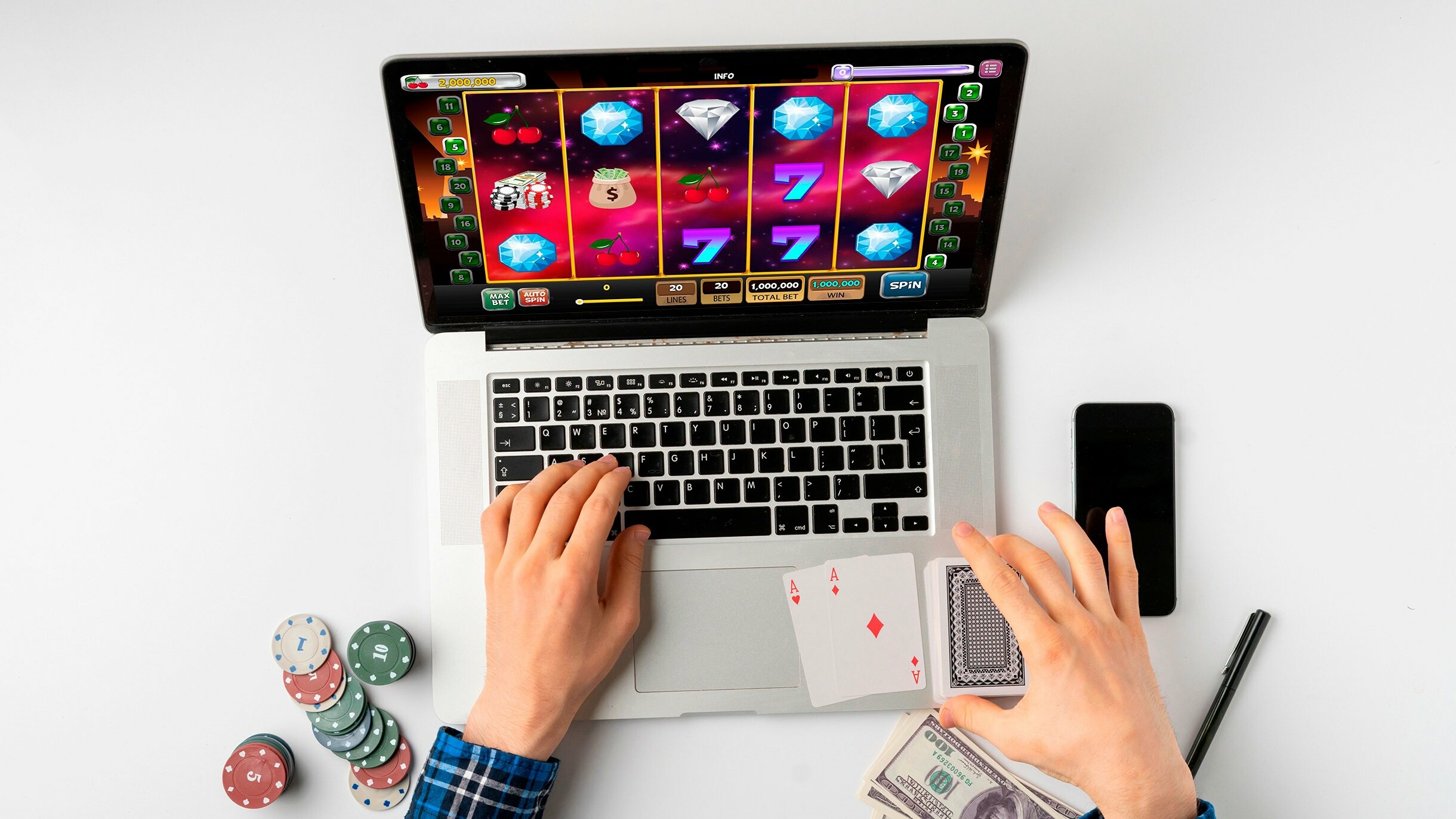
Furthermore, it is critical to mix up your bluffing strategies. Repeating the same tactics can lead your opponents to catch on to your methods. By occasionally bluffing with weaker hands or sometimes checking strong hands, you can keep your opponents guessing and uncertain about your strategies. Continuous assessment and adaptation of your bluffing techniques are necessary to remain unpredictable and effective. This unpredictability is crucial in maintaining an edge over your opponents in high-stakes situations.
Recognizing When to Bluff
Knowing when to bluff is one of the vital components of successful poker strategy. Beginners might be tempted to bluff frequently, thinking it will confuse their opponents, but this often backfires. Understanding the texture of the board and recognizing the strength of your opponent’s hand is crucial. For example, if the community cards are coordinated and suggest potential straights or flushes, bluffing may be more effective as it could persuade opponents to fold a weak hand. This situational awareness is key to bluffing success.
Another pivotal aspect of recognizing bluff opportunities is analyzing the behavior of your opponents. If a player shows weakness—perhaps by checking or making small bets—this can present an opening for a well-timed bluff. Similarly, if the table displays a player who frequently folds under pressure, you may find it advantageous to bluff against them when the conditions seem favorable. Adapting your strategies based on these observations can significantly enhance your chances of executing a successful bluff.
Additionally, leveraging your position at the table can significantly enhance your ability to bluff successfully. Being last to act provides a strategic advantage, as you can observe how your opponents react before making your move. If they show signs of hesitation or uncertainty, you might choose to apply pressure with a strong bet, thereby capitalizing on their vulnerability and instilling doubt about the strength of their hand. This strategic manipulation is a hallmark of skilled poker players who excel at bluffing.
Common Mistakes When Bluffing
While bluffing can be a powerful weapon in poker, many players make mistakes that can hinder their success. One of the most common pitfalls is over-bluffing, which can lead to predictable patterns that other players can exploit. By consistently attempting to bluff without discretion, you risk developing a reputation as a bluffer, and observant opponents will be more reluctant to fold against you in the future. This reputation can severely limit your effectiveness at the table.

Another frequent error is misreading the table dynamics. Not all situations are conducive to bluffing; thus, failing to recognize when a player has a strong hand can result in significant losses. A good poker player knows that bluffing is not merely about deception but about tactical timing and understanding the flow of the game. This means that careful assessment of the situation is essential before deciding to make a bluff, as acting impulsively can be detrimental to your chip stack.
Lastly, lacking a credible story can undermine even the best bluffs. If your betting pattern does not align with the image you wish to project, seasoned players will quickly see through your ruse. It’s vital to ensure that your betting reflects strength and fits into the broader narrative of the game. Developing a convincing story, combined with discernment in bluffing frequency, can enhance your overall effectiveness at the poker table and make your bluffs more believable.
Enhancing Your Poker Experience Online
In today’s digital age, many players seek to enhance their poker experience through online platforms. These websites provide a unique opportunity to practice and refine your bluffing skills in a variety of settings and with players from around the globe. You can engage with different playing styles that can help you adapt your strategies in real-time, enriching your overall understanding of the game. This exposure to diverse opponents is invaluable for honing your bluffing techniques.
Online poker also offers tools and resources for players looking to deepen their knowledge of bluffing techniques and strategies. Many platforms feature tutorials, guides, and video content designed to help you gain insight into the psychological aspects of bluffing. By leveraging these resources, you can learn from experienced players while simultaneously applying what you’ve learned in practice games. This combination of theory and practical application can significantly accelerate your learning curve.
Moreover, the anonymity of online poker can reduce the pressure associated with live play, allowing new players to experiment with bluffing without the fear of immediate judgment from their peers. This environment can be conducive to learning, especially for those looking to master the complexities of bluffing and enhance their overall gameplay. Engaging actively and consistently in online poker can significantly improve your skills and elevate your poker experience, making it a crucial aspect of modern poker strategy.